A non-owner-occupied rental property in Canada generally requires at least 20% down, and lenders qualify you using only part of the rent — through an offset or an add-back formula that varies by lender and insurer. That gap between the rent a property actually collects and the rent a lender will count is where most small-landlord applications succeed or fail.
How much down payment does a rental purchase need?
If you will not live in the property, plan on 20% or more down and uninsured financing rules. If you will live in one unit of a small multi-unit property, insured options with a smaller down payment may be available under the applicable insurer rules for owner-occupied properties — the distinction is genuine occupancy, not intent, and lenders verify it. Either way, your other debts, your credit, and your non-rental income still carry the file: rent supports the application, it does not replace you as the borrower. For condo rentals, see condo rentals: why the building gets reviewed too.
How do lenders count rental income?
Two main methods. A rental offset treats a percentage of the rent as offsetting the property’s carrying costs directly. An add-back adds a percentage of the rent to your income and puts the full property costs into your debt ratios. The percentage counted, and how taxes, heat and vacancy are treated, differ between lenders and insurers — which is why the same property can qualify comfortably at one lender and miss at another. Existing rental properties in your portfolio get the same treatment, so bring leases and tax filings for every property you own, not just the one you are buying. Self-employed landlords should also review self-employed landlords: the documents lenders average.
“The team at NextDoor Mortgages (Mei & Travis) are the absolute best… provided the help I needed in securing my mortgage.” — Yomi Odusanya, Google review
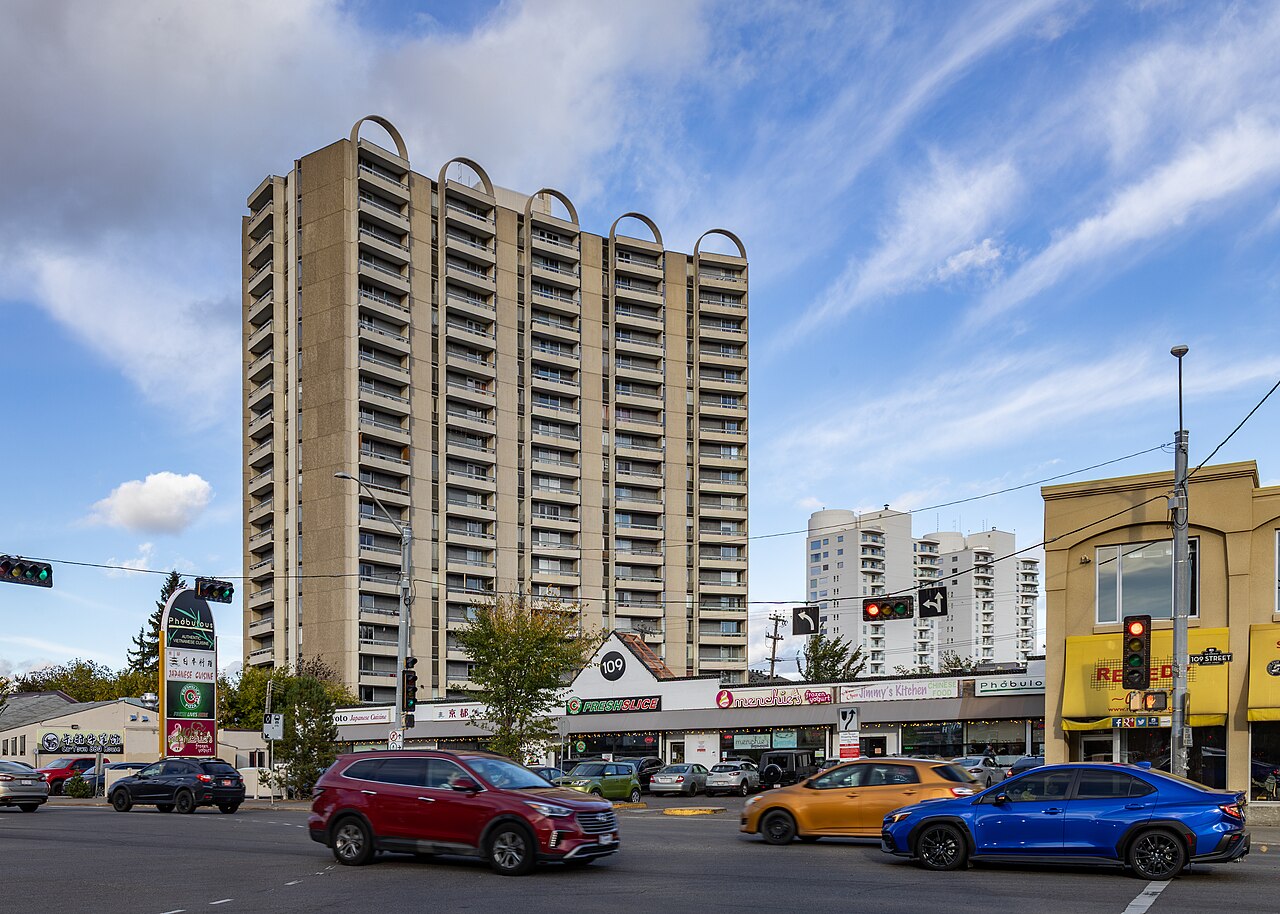
Photo via Wikimedia Commons.
What else should Edmonton small landlords prepare?
A realistic expense picture: property taxes, insurance at landlord rates, maintenance, and vacancy allowance — lenders think in these terms even when a property’s listing reports a gross rent alone. Edmonton helps the math more than most cities: CMHC’s Fall 2026 supply report found Edmonton is the only large Canadian market with no housing supply gap, keeping purchase prices — and therefore the rent-to-price relationship — more workable for small landlords than in supply-short markets. You still need to qualify at the stress-test rate, and rental rates used in qualifying follow lender policy, not the highest rent you hope to achieve. For a rental that needs work, see purchase plus improvements for a rental that needs work.
If you already own a rental and your mortgage is renewing, run a Mortgage Renewal Check before signing — rental files are exactly where one lender’s income formula can beat another’s by enough to matter.
Buying your first Edmonton rental, or adding a second property? Call me at (780) 722-5621 and we will test the property against several lenders’ rental formulas before you offer. Or start with the Pre-Approval & Refinance Check.
By Travis Bannert, Realtor and Mortgage Broker
Travis Bannert, Mortgage Broker | Next Door Mortgages, BFL Dominion Lending Centres | (780) 722-5621 | nextdoormortgages.com