By Travis Bannert, Realtor and Mortgage Broker
The First Home Savings Account (FHSA) lets a qualifying first-time buyer in Canada save up to $8,000 a year, to a $40,000 lifetime limit, with contributions deductible from your income and withdrawals completely tax-free when used to buy a qualifying home. The two rules people miss most are that your contribution room only starts building once you actually open the account, and that you have 15 years to use it. Open it early, even with a small deposit.
The FHSA is a registered account offered by banks, credit unions, and investment firms across Canada. It works like a blend of two familiar accounts — a deduction going in, like an RRSP, and a tax-free withdrawal coming out, like a TFSA — built for one purpose: your first home.
Who qualifies as a first-time buyer?
To open an FHSA you must be a Canadian resident, at least 18 years old, and a first-time home buyer as the program defines it: at the time you open the account, you must not have owned a home that you lived in as your principal place of residence in the current calendar year or in the previous four calendar years.
The same test applies to a spouse or common-law partner you live with: if your partner owned and lived in a home during that window, and you lived there too, it can affect your eligibility. Renting or living with family does not count — but confirm your situation before contributing.
Contribution room, carry-forward and the $40,000 limit
You earn $8,000 of FHSA contribution room per year, up to a lifetime maximum of $40,000 in contributions. Here is the part that costs people money: unused room carries forward, but only after the account is opened.
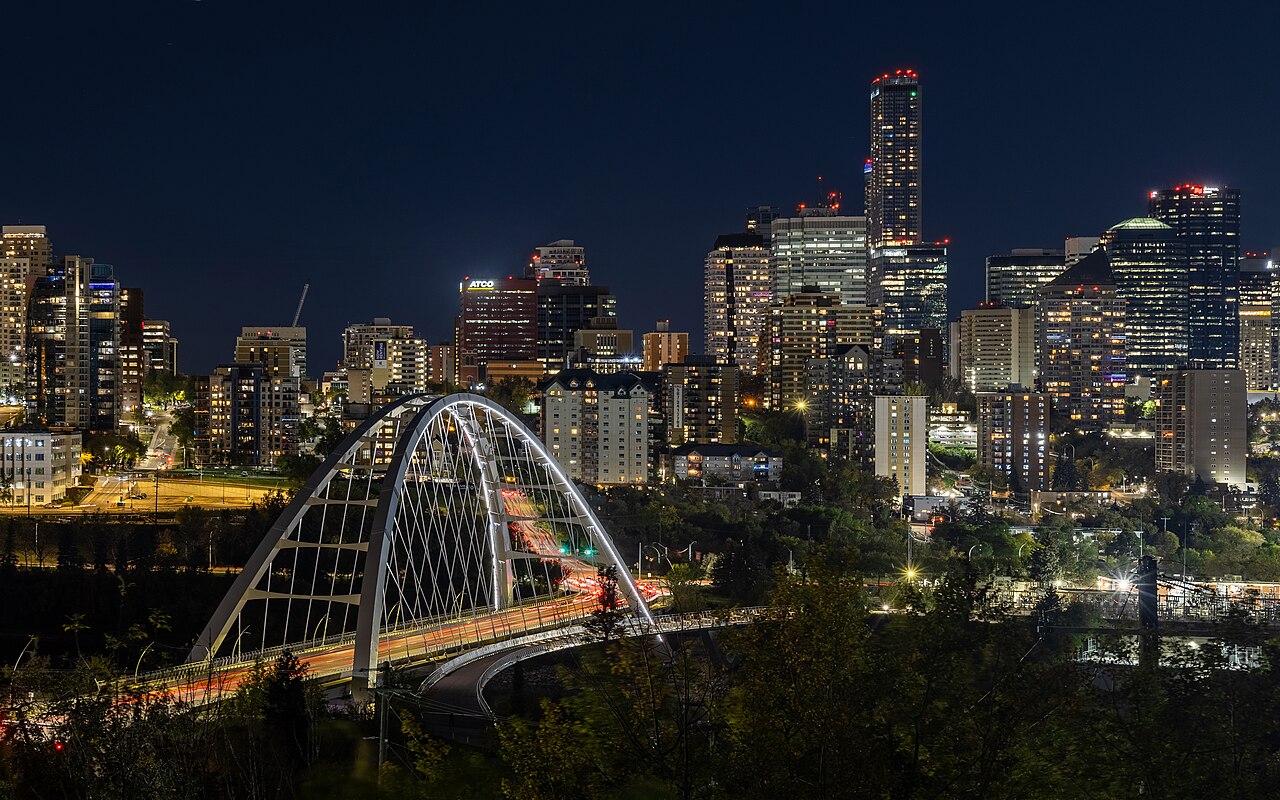
So if you open an account this year and contribute $2,000, the remaining $6,000 carries forward and you have $14,000 of room next year. Wait three years to open it, and you start with just $8,000 — the earlier years are gone. That is why opening early, even before you are house hunting, is usually the smart move for Edmonton buyers. It is also why opening before December 31 matters: an account opened in 2026 starts your 2026 room; one opened in January starts a year later, and the 2026 room is gone for good.
Contributions are tax-deductible. You can claim the deduction in the year you contribute or carry it forward to a later year, which helps if your income — and the value of the deduction — will be higher down the road. Track your room carefully; over-contributing has tax consequences.
Buying a home: withdrawals and qualifying homes
When you buy, you can withdraw your FHSA savings tax-free if the money is used for a qualifying home. The home must be in Canada, you must intend to live in it as your principal place of residence within a year of buying or building it, and you must still meet the first-time buyer test at the time of withdrawal. You also need a written agreement to buy or build the home by October 1 of the year after your withdrawal.
Withdrawals use a specific CRA form, completed with your financial institution, so do not just transfer the money out and assume it qualifies. Done properly, neither your contributions nor the investment growth are taxed on the way out.
Your down payment follows the standard Canadian rules: a minimum of 5% on the first $500,000 of the purchase price, 10% on the portion from $500,000 to $1,500,000 for an insured mortgage, and 20% for an uninsured purchase, with an insured purchase cap of $1.5 million. First-time buyers can also access 30-year amortizations, and your mortgage must pass the stress test at the higher of your contract rate plus 2% or the Bank of Canada benchmark rate.
The FHSA can also be combined with the Home Buyers’ Plan. Under that program you can withdraw up to $60,000 from your RRSP toward a first home, repaid over 15 years starting the second year after the withdrawal. Many buyers use both, since a qualifying FHSA withdrawal never has to be repaid.
★★★★★ “He would get back to me with an answer to my questions in no time. Very professional and kind.” — Google review
The 15-year window and what happens if you don’t buy
Your FHSA participation period is 15 years. The account must be closed by the end of the year after the 15th anniversary of opening it, or by the end of the year you turn 71, whichever comes first. It also normally closes the year after your first qualifying withdrawal.
If you do not buy a home, your savings are not lost. You can transfer the unused FHSA balance directly to your RRSP on a tax-free basis, and that transfer does not use up or reduce your RRSP contribution room. The FHSA simply becomes extra retirement savings instead. The transfer must be done directly between institutions using the proper form — withdrawing the money yourself first can make it taxable.
If you neither buy nor transfer by the deadline, the account closes and amounts can be taxed on withdrawal, so note the deadline when you open the account. Review the account if your plans change — the clock keeps running.
Frequently asked questions
How much can I contribute to an FHSA each year?
$8,000 per year, up to a $40,000 lifetime contribution limit. Unused room carries forward only after the account is opened.
Does FHSA room build up before I open the account?
No. Room starts in the year you open your first FHSA. Opening early, even with a small contribution, preserves room you would otherwise lose.
What happens to my FHSA if I never buy a home?
You can transfer the full unused balance tax-free into your RRSP, and the transfer does not affect your RRSP contribution room. Do it within the 15-year participation window.
Can I use the FHSA and the Home Buyers’ Plan together?
Yes, for the same first home: a qualifying FHSA withdrawal plus up to $60,000 from your RRSP under the Home Buyers’ Plan, repaid over 15 years starting the second year after withdrawal.
Talk to a broker before you sign anything
An FHSA works best when it is timed with your pre-approval, your down payment, and the rest of your savings — not opened in isolation the month you find a house. Start with the Pre-Approval & Refinance Check: https://nextdoormortgages.com/home-purchase/mortgage-pre-approval/ — or call Travis Bannert at 780-720-8240 and I will call you back to walk through how the FHSA fits your purchase plan. Posted rates are only a starting point and rates are sometimes negotiable; I shop across multiple lenders for your mortgage.
By Travis Bannert, Realtor and Mortgage Broker — Travis Bannert, Mortgage Broker | Next Door Mortgages, BFL Dominion Lending Centres | 780-720-8240 | nextdoormortgages.com